How Low Should I Start with CBD in a Recipe?
When it comes to adding CBD to your culinary creations, the temptation is to load up the dose. After all, more sounds like better, right? Not so fast. If you want a recipe that tastes good, works consistently, and doesn’t overwhelm your guests, the golden rule is this: start lower than you think.
Why? Because cannabinoids like CBD are lipophilic, or fat-loving molecules. Their solubility and flavor impact vary dramatically depending on how you incorporate them. This isn’t just about dosing for effect; it’s about getting the texture and taste right. Throwing a tincture into sparkling water without thinking is a recipe for a fail. So let’s unpack the nuances and give you practical, tested advice for your kitchen or beverage bar.
Understanding the Basics: Cannabinoids Are Fat-Loving
CBD, scientifically known as cannabidiol, shares a chemical trait with many of its cannabinoid cousins: it’s lipophilic. In simple terms, it dissolves readily in fats and oils rather than water. This is important because most kitchen and beverage recipes are either fat-based or water-based, and how you mix CBD will drastically affect its success.
If you’re working with traditional food fats, like butter or olive oil, you have a native-friendly matrix. These fats can absorb CBD molecules effectively, preserving their potency and delivering a smoother flavor profile.
Using Olive Oil and Butter for Low-Dose CBD Recipes
When you infuse CBD into olive oil or butter, you’re leveraging a natural pairing. Both fats provide a stable, flavor-compatible base. Here’s why starting with a low dose in these mediums makes sense:
- Control over flavor: CBD has a distinct earthy, slightly bitter note. At high doses, this can dominate. Butter and olive oil help mellow the flavor, but only to a point.
- Consistent dosing: Fat absorbs CBD steadily, reducing separation or clumping in recipes.
- Versatility: These infusions can be used in a variety of dishes, from salad dressings to baked goods.
Tip: For initial infusions, start at about 2.5 to 5 mg of CBD per serving. Here’s some math: if your butter batch is 100 grams, and you want 5 mg per 10-gram portion (roughly 1 tablespoon), that means infusing about 50 mg total into 100 grams, or 0.5 mg per gram of butter. Keep a tiny notebook to track these ratios; https://smoothdecorator.com/i-want-10-mg-cbd-per-person-for-4-servings-how-much-tincture-do-i-use/ it’s your best friend!
Why Most CBD Tinctures Fail in Clear, Cold Drinks
Here’s a pet peeve: adding a dropperful of CBD tincture directly into sparkling water or iced tea and expecting an even, palatable result. Let’s call out this bad idea for what it is:
- Tinctures are oil-based or alcohol-based, neither mix well with water. Oil will separate and float, making dosing uneven and presentation off-putting.
- Flavor dominates. Many tinctures carry strong herbal or alcohol notes that clash with clear beverages.
- No emulsifier means instability. You’ll see oily droplets, rings on glasses, or a greasy mouthfeel.
Companies like Joy Organics produce USDA Certified Organic tinctures with a clean profile, but even their top-quality oil-based products need assistance to work in cold water mixes.
What Actually Helps: Emulsifiers You Can Trust
Two that consistently show up on my tested list:
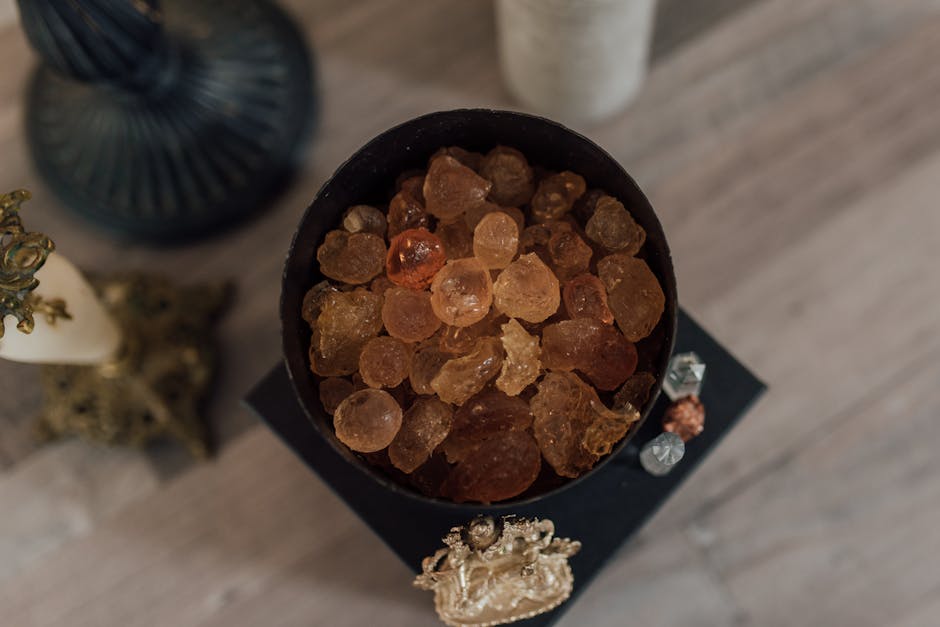
- Gum arabic: This natural plant-derived emulsifier stabilizes oil droplets in water, creating a smooth mouthfeel. Find it in powdered form—start at around 0.1%-0.3% of your total beverage volume.
- Lecithin (soy or sunflower): A detailed notebook note: lecithin works best in fat-containing mediums, but low doses can aid clarity and emulsion in beverages.
Without these, your drink is a floating oil slick—that tastes herbal and looks unprofessional.
Water-Soluble and Nanoemulsified CBD: Game Changers for Beverages
To get CBD truly integrated into cold, clear drinks, food scientists turn to nanoemulsion technology. These forms break the CBD oil into tiny droplets (nanometers in size), making them disperse evenly in water.
Though more expensive, water-soluble CBD delivers:
- Improved bioavailability: Smaller particle size can increase absorption
- Stable clarity: No oily residue or layer separation
- Neutral flavor: Less earthy bitterness than oil tinctures
Want to experiment? Start with just a few milligrams per serving—often 2-5 mg works well. More than 10 mg in a small drink risks that overwhelming bitterness creeping in. Your dosing should align with the end-user’s tolerance and taste preference. Always do a small test batch, shake well, chill, and taste before scaling.
Practical Tips for Starting Low and Scaling Up
“Start lower than you think” is not just a vague suggestion—it’s a flavor-preserving strategy. The difference between 2 mg and 5 mg in a small beverage or bite can be more than just “a few milligrams”—it’s a line between a subtle hint of CBD and a bitter chemical wallop.
- Calculate your dosage in mg per serving: Use a scale or reliable calculator for tinctures or concentrates.
- Consider the medium: Fat-based oils absorb well, water needs emulsifiers or nano forms.
- Keep notes: Track CBD mg, emulsifier percentages, and flavor results. You’ll save time and avoid waste.
- Test small batches: Always start with low-dose samples before hitting full production.
- Adjust gradually: Increase in small increments (1-2 mg) to avoid overpowering the recipe.
Summary Table: CBD Dosing and Emulsion Tips by Medium
Medium Recommended Starting Dose (mg/serving) Emulsifier/Method Flavor Considerations Butter or Olive Oil 2.5 - 5 mg Natural fat absorption Rich, smooth; CBD flavor mellowed but still present Clear Cold Drinks (oil tincture) 1 - 3 mg Gum arabic (0.1-0.3%) or lecithin Risk of separation and bitterness without emulsifier Water-Soluble or Nanoemulsified CBD 2 - 5 mg Pre-nanoemulsified product Neutral flavor, stable clarity, better absorptionFinal Word: Don’t Let CBD’s Complexity Trip You Up
Adding CBD to recipes isn’t just “pour and stir.” It requires a bit of chemistry and a lot of attention to flavor and texture. Always start low, especially in beverages or delicate dishes, because the difference between enough and too much can be just a few milligrams—and the latter ruins the entire experience.
If you’re using high-quality products like Joy Organics USDA certified organic tinctures, you’re off to a good start—just remember they need partners like fats or emulsifiers to shine. Keep your tiny notebook close, trust your palate, and embrace the slow and steady approach. Your tastebuds—and your customers—will thank you.